
01
Reporting culture
We recognize the value of managing operational safety and promote a culture of mandatory, anonymous and voluntary reports.

Who we are
We are Airline Pilot Academy: a flight school in Cochabamba that trains pilots for the airlines, with operational safety as a priority.
Our story
Airline Pilot Academy (APA) is a civil aviation training centerCIAC Type 3 (CCIAC-141-05-027) based in the city of Cochabamba, Bolivia.
We began operations in October 2012 and since then we have responsibly trained dozens of professional pilots.
We work with the vision of being the country’s leading civil aviation instruction and training center.
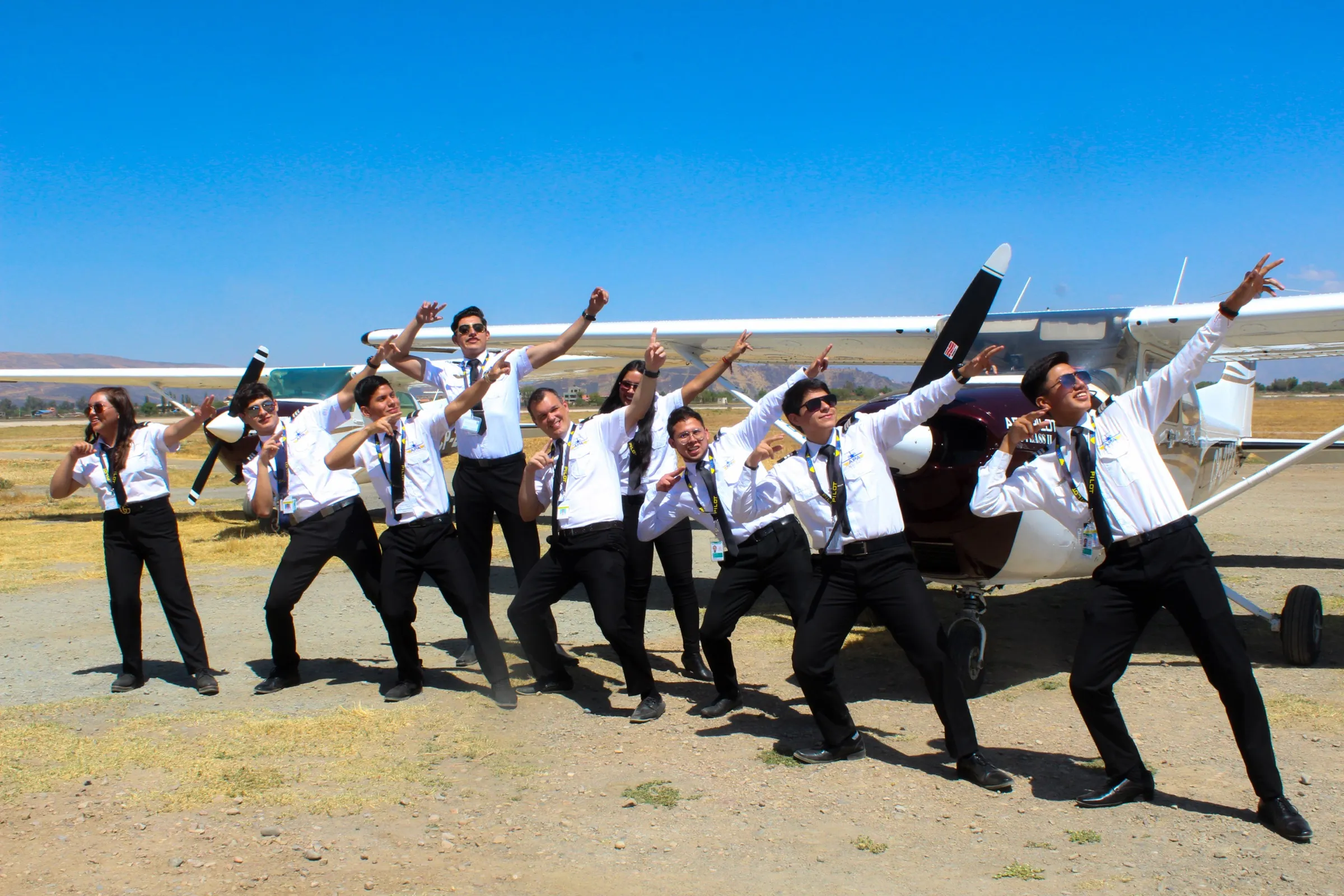
Mission
Our mission is to train pilots for the airlines with the best instruction and training, making operational safety our priority.
Safety management (SMS)
To keep operational safety a priority, we foster a culture of hazard reporting: an essential tool for risk management and for the effective implementation and maintenance of the Safety Management System (SMS).
Report a hazardSafety policy
From instructors to administrative staff, this is the policy we work by every day at CIAC APA.
We recognize the value of managing operational safety and promote a culture of mandatory, anonymous and voluntary reports.
Every member of the team knows their line of accountability, their duties and their responsibilities in order to achieve the highest safety effectiveness at CIAC APA.
We ensure that we have human resources competent in operational safety.
All CIAC APA employees receive appropriate safety training and are competent according to their level of responsibility.
We guarantee the resources needed to implement, maintain and improve the Safety Management System.
We measure our achievements to verify that goals and targets are met, with a hazard-reporting system that reduces risks to the lowest level reasonably practicable.
Objectives
Achieve and maintain acceptable levels of operational safety through hazard identification and risk management.
Foster a safety culture by adopting safe practices.
Promote effective communication between staff and senior management on operational safety.
Continuously improve operational safety through hazard identification, data collection and ongoing education.
“Safety is everyone’s responsibility”Report a hazard
Take the first step
Tell us your goals and we will explain how to get there: courses, requirements, timing and cost. No commitment.